

Reinventing Heritage: Bridging Culture & Commerce at The Maritime Museum
Connecting two worlds: culture and commerce within one of the Netherlands' most iconic institutions
When I started at the Maritime Museum, my job wasn't to redefine the museum's identity or purpose. A dedicated marketing team worked passionately on that every day—on vision, sponsorship, and brand story.
My assignment was something else: building commercial operations were strong enough to carry that vision and make it sustainable.
I was responsible for setting up an independent sales and events organization, integrating hospitality systems into a historic environment, and developing new revenue streams without compromising cultural integrity.
I wanted to create a dual structure in which culture and commerce could coexist without interfering with each other. This tension between identity, operations commercial choices requires leadership direction without forcing it—an approach that is central to pre-opening & project management.
Optimizing visitor flows and capacity
One of my first projects was to redesign the way the building moved.
The Scheepvaartmuseum is a 17th-century arsenal — beautiful, but not designed for modern event logistics.
I introduced new operational walkways, improved connections between exhibition spaces and the courtyard, and designed flexible zones that allowed private events to take place alongside regular museum visits.
This relatively simple intervention resulted in a more than 20% increase in visitor flow and made it possible to organize evening programs, corporate dinners, and educational activities in parallel, without any disruption.
Two sectors, two languages: culture meets commerce
Working at the intersection of culture and commerce taught me an important lesson about empathy and mutual understanding.
With my background in commercial hospitality, I was used to thinking on my feet, pitching ideas, and maximizing capacity.
The cultural sector operates with different values: preservation, authenticity, responsibility.
A moment that has always stayed with me:
I suggested organizing exclusive evening tours for companies after closing time.
From a commercial perspective, it was a win-win situation: a unique experience, high margins, and new target groups.
The curators rejected it.
I assumed it was reluctance, perhaps resistance to change.
Later, I discovered the real reason: paintings and objects may only be exposed to artificial light for a limited number of hours per year.
More events meant more light and therefore more risk to the heritage.
A simple insight, but a powerful one:
sometimes "no" is not resistance, but expertise.
From that moment on, we started working differently.
No longer based on negotiation, but on collaboration.
We aligned conservation needs with event design and developed a new mutual respect for each other's craftsmanship — and for the balance between heritage and viability.
Teaching through experience
In addition to business events, I repositioned educational programs as experiential travel.
School groups received the same attention to flow, timing, and guest experience a conference or gala.
The result:
more flexible operations,
a stronger sense of purpose,
a warmer, more welcoming atmosphere throughout the museum.
Even the guest services team transformed:
from silent guards to real hosts.
Visitors were welcomed, guided, and engaged.
The museum was no longer just a place to see history—but to feel it.
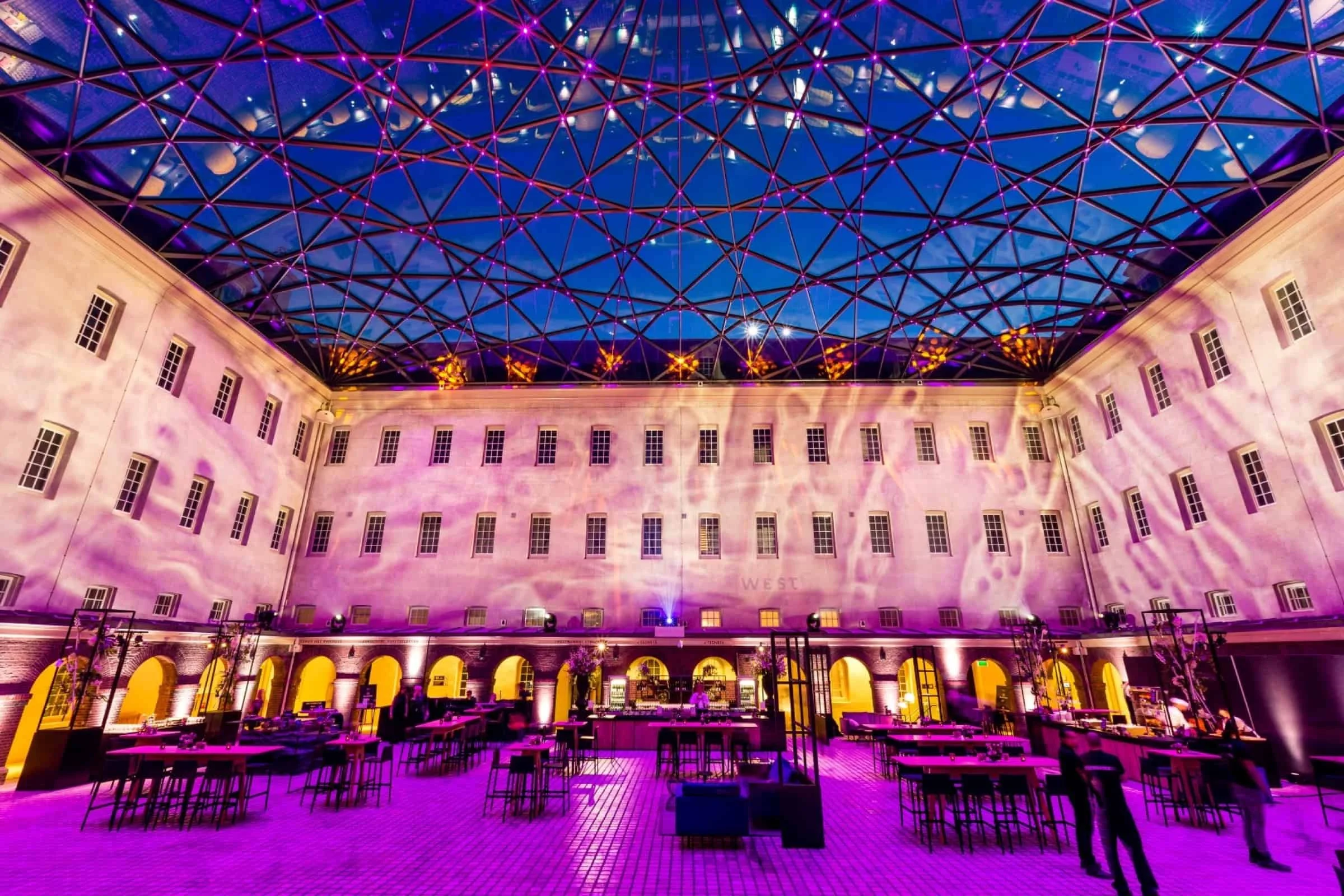
Highlight: Aquatic New Year's Eve
One of my most special projects during my eighteen months at the museum was Aquatic — The New Year’s Eve Celebration at The Maritime Museum.
An ambitious concept: a black-tie New Year's celebration under the iconic glass roof, developed in collaboration Amsterdam's five-star hotels and the Les Clefs d'Or network. World-class gastronomy, cocktails, live entertainment — all within four centuries of history.
Ticket sales were slow... until Christmas Day. After that, the event was completely sold out.
We broke even in the first year —rare for a new high-end event—and created an experience that was the talk of the town for weeks. Although public events were later discontinued for safety reasons, Aquatic remained proof to me that museums don't have to be static—they can become living, breathing hosts.
Read more about how OpenYourHotel supports these types of projects within a wide range of projects.
Three lessons I still carry with me
Optimizing guest flows starts with empathy, not efficiency.
Connecting sectors requires that you first understand each other's "why" before offering your own "how."
True hospitality can exist anywhere—even in a museum.
Heritage does not have to stand still.
With respect, creativity, and curiosity, it can move—and move people.
Final question
How would you strike organisation balance between authenticity and ambition in your organisation ?
Discussing a similar challenge?